


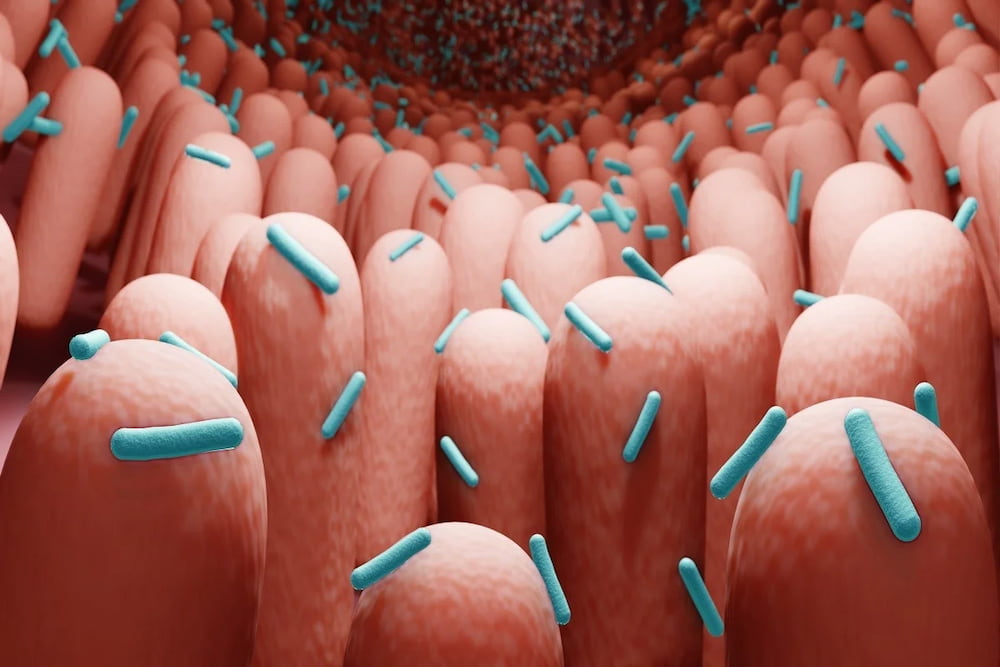
One of the most common expressions about the human body says that it works like a clock, and this statement couldn’t be more accurate. Each part of our organism is interlinked with the other one. Hence there should be no surprise in the link between gut health and the immune system. The gut serves as a home for dozens of microorganisms, the microbiome. A slight disbalance or change in the tender system can shift the overall well-being to good or bad. The immune system is no stranger to changes in gut health. Its ability to stand properly in the face of viruses depends on the gut.
What is the Gut Microbiota?
What is Microbiota?
Microbiota is the collective name given to the approximately 200 million microorganisms living in the human body. The greatest portion of the microbiota consists of viruses, fungi, archaea (primitive single-celled organisms), and protozoans. Yet, comparatively, the most-studied organism among all of them is bacteria. In fact, it is discovered that our body consists of more bacteria cells than human cells. There are around 40 trillion bacteria cells in our body and only 30 trillion human cells.
DNA plays a deciding factor in shaping the consistency of microbiota. We come in contact with microorganisms as babies inside the womb and come out to the world with pre-set /microflora. Yet, it can change due to the food we take in and how we treat the gut.
Microbiota spans from the large intestine, called the cecum, to the small and covers a considerable portion of skin. In a healthy and flawlessly functioning body, all of these organisms coexist harmonically and peacefully with each other. But they can also cause diseases. The common dysfunctions caused by microbiota are inflammatory bowel disease (IBD) and irritable bowel syndrome (IBS), improper immune system functioning. The latter is the one which we will focus on later in this article.
How does your gut health affect your immune system?
Immune cells in the gut interact with microbiota. The results of these interactions work both ways for gut health and the immune system.
Gut health is capable of leaving a considerable amount of effect on immunity and vice versa, yet it all depends on the level of inflammation. In biology, two types of inflammation are known. The first type is acute inflammation.
Acute inflammation is the most well-known among the two. For example, when we cut our fingers, swelling and redness appear immediately afterwards are the signals of the immune system to heal it. That’s the process of acute inflammation.
The second kind is chronic inflammation. It’s the constant response of the immune cells taking place for an extended period. This can cause serious health issues, such as obesity, heart disease, and type 2 diabetes.
Doctors are sure that gut health is vital in the link between the immune system and chronic inflammation.
Yet the diet that we tend to take shouldn’t be neglected as well, since food that has a high level of sugar and fat can worsen chronic inflammation.
Hence, doctors recommend rethinking the daily menus and adding more vegetables and gut-friendly food. One of the usual recommendations, alongside keeping a healthy diet, is adding medical supplements, such as vitamins and other forms of medication. Among the list comes IV therapy. Most patients resent spending additional time in hospitals for IV, yet that’s a mistake that can cost one the well-being of their gut and immune system. Among dozens of benefits, liquid IV therapy increases vitamin count, prevents the development of various diseases, and fights them. Besides, there is no need to go to the hospital when there are several services like mobile IV therapy in Tulsa which offer to bring the IV to you.
But keeping ourselves in the best condition possible, it won’t harm to know a bit more tips about how to treat our immune system better.
Ten Tips to Boost Your Immune System
“The best way to boost your immune system is right there on your plate, in the foods you choose,” says doctor Wendy Bazilian. Hence why knowing the top tips to involve in is just what doctors prescribe.
Wash Your Hands Frequently
Washing hands frequently is what prevents harmful germs, viruses and bacteria from getting into our immune system. Germs get into our body through rubbing eyes, making food, and phone screens and these increase the chance of getting illnesses.
Try Eating More Whole Plant Foods
The name whole plant foods relate to the kind of food closest to their natural state. The list includes fruits, vegetables, whole grains, beans, legumes, nuts, and seeds. Plants are rich in nutrients which can’t be found in other types of food sources. Primarily nutrients help the immune system fight inflammation. Phytochemicals and antioxidants, which are part of the nutrients, move through the body and resolve the issues caused by toxins from pollution, processed food, bacteria, and viruses.
Work Out Everyday
Regular work out done with moderate intensity is prone to boost immune cells in our body, which leads to their fast response to detecting illnesses and preparing a response. Additionally, during the workout, the body temperature tends to increase, which holds bacteria back from developing any further.
Increase Vitamin Intake
Vitamins are great assistance when it comes to strengthening the immune system. The shortlist of vitamins that are needed for increasing immune cells’ performance are Vitamin C, Vitamin B6, Vitamin E, and Selenium. Vitamin C is an antioxidant which means that it shields the immune system from inflammation and fights off toxins. Vitamin B6 takes part in the formation of white blood cells, which play a vital role in securing the body from viruses and other invaders. Just like Vitamin C, Vitamin E also is an antioxidant which prevents infection, while on the other hand, Selenium is the one that gives the immune cells the sign to act.
Get Enough Sleep
Sleep is key to keeping both adaptive and innate immunity in shape. Scientists have shown that during sleep, cytokines which relate to inflammation start operating. Sleep also reserves the energy needed for the immune system to perform its tasks, and doctors mention that the inflammation, which is programmed to take place during the night time takes place during the day it disturbs the balance of our body.
Limit Sugar in Your Food
Researchers reveal that increased sugar intake weakens the immune system. White blood cells are highly exposed to sugar intake levels. Sugar prevents white blood cells from showing the same amount of performance as without them in the body. Doctors say that even 75 grams of sugar are enough to slow down the functions of the immune system permanently.
Stay Hydrated
Hydration leads the path for communication in the immune system. The main transportation of nutrients and vital communication signals is done through blood, and blood, in turn, consists of 90% of water. Hence if we want the immune system to respond on time, we need water for that.
Stay Out of Stress
Stress targets the spurge of hormones which intervene with the usual process of the body. Hence that’s why it is important to maintain a healthy state of mind to keep the immune system in check.
Spend More Time Outdoors
Scientists say that it is highly unlikely to run into any dangerous viruses outdoors since air provides ventilation that removes harmful organisms from surroundings. Also, getting in touch with minor bacteria provides a prep test for the immune system to stand out from more severe invasions in our body that may occur in the future.
Secure Yourself from Infection
Doctors always remind us to take vaccinations from flues and various viruses on time as they provide assistance to the immune system. Vaccination acts as a booster between the immune system and virus. It makes the immune cells prepare protection against illness; hence whenever we catch a disease, our body is ready to fight it off.
Conclusion
All of the mentioned above are timely precautions to take into account if we don’t want to struggle with the numerous diseases that are out there. It is unknown when and what illness may come to sight, but it is better to keep the immune system strong and ready to stand against any and all of them.
Read Also
- Full-Arch Dental Tourism: Why UK Patients With Severe Bone Loss Are Looking Abroad
 Dental implants have become one of the fastest-growing segments of private dentistry. Within that market, one patient group behaves very differently from the rest: people who have been told they do not have enough upper jawbone for conventional implants. For these patients, the choice is rarely between one clinic and another. It is between a… Read more: Full-Arch Dental Tourism: Why UK Patients With Severe Bone Loss Are Looking Abroad
 - Levels of Mental Health Care and When to Seek SupportMental health care can range from occasional outpatient appointments to 24-hour hospital treatment. The appropriate level depends on safety, symptom severity, daily functioning, medical needs, available support, treatment history and personal preferences. A licensed clinician should assess these factors rather than relying on a symptom list alone. Need help now? In the United States, call… Read more: Levels of Mental Health Care and When to Seek Support
- How to Choose a Shilajit Brand Based on the ResearchIn a randomized trial published in the Journal of the International Society of Sports Nutrition in 2019, 63 active men took 250 mg of standardized shilajit, 500 mg, or a placebo every day for eight weeks, and the benefit for strength retention after a fatiguing workout appeared only at 500 mg. For anyone choosing a… Read more: How to Choose a Shilajit Brand Based on the Research
- How to Incorporate Relaxation into Your Busy ScheduleFinding balance when you have a packed daily agenda often feels out of reach. Between work duties, family obligations, and personal projects, personal rest usually gets pushed to the bottom of the list. Small, intentional shifts in daily habits can help restore calm without requiring hours of extra free time. Continue reading to discover everything… Read more: How to Incorporate Relaxation into Your Busy Schedule
- Red Light Therapy for Skin and Wellness: Meet Vital Red Light TherapyModern wellness is not always about complicated treatments or long routines. Many people are now looking for simple, convenient ways to support their skin, recovery, and overall wellness at home. One technology getting more attention is red light therapy. Red light therapy uses specific wavelengths of red and near-infrared light to support the body’s natural… Read more: Red Light Therapy for Skin and Wellness: Meet Vital Red Light Therapy





